

Pria Sehat · Resource Library · FAQ
Vol. IV · Common Questions
Common Questions
Answers about vitamins, herbs, and lifestyle changes — grounded in nutritional science, written for the modern Indonesian man.
Orientation
Compiled by the
Pria Sehat Editorial Team
Surabaya, Indonesia
6 Topics · ~8 min read
Start here if you are new to natural wellness
Navigating the world of natural health often leads to many questions, especially for those just starting their journey. We have compiled a list of the most frequent inquiries our readers have about vitamins, herbs, and lifestyle changes. Our answers are grounded in nutritional science and a commitment to natural wellness. If you have a specific question not covered here, please feel free to reach out to our team in Surabaya.
The guidance below is lifestyle-oriented. We do not offer clinical advice, and nothing here should replace a conversation with a qualified professional about your individual circumstances.
§ 01
General Supplement Safety
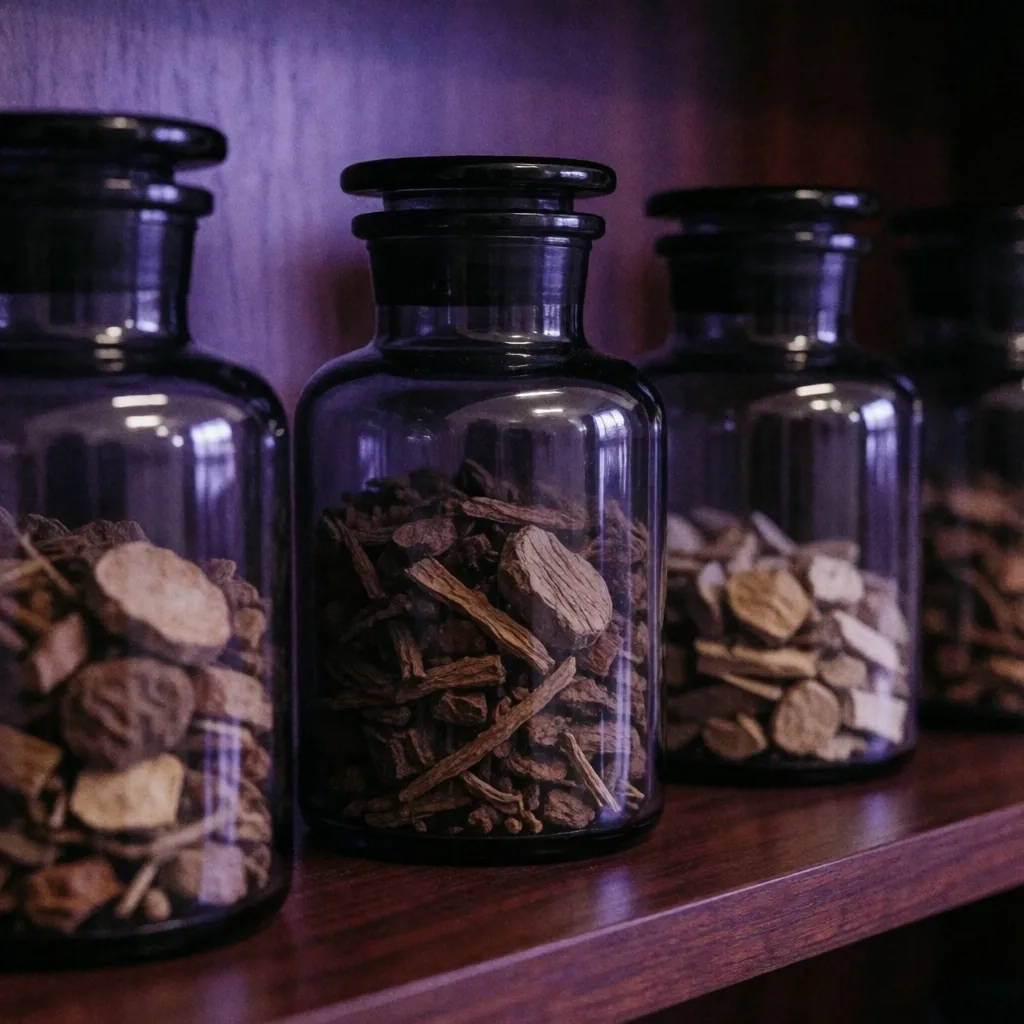
Safety is the primary concern for anyone adding supplements to their routine. While natural products are generally well tolerated, it is important to follow recommended dosages and choose high-quality brands with transparent labels.
If you have underlying health concerns or already take other products, talk with a qualified professional before introducing something new. Following the suggested serving size, reading labels carefully, and sticking with reputable manufacturers all help you use natural products with confidence.
Read Safety Guidelines§ 02
Combining Different Vitamins
Many men wonder if they can take multiple vitamins and herbs at the same time. The answer is usually yes, but there are certain combinations that work better together than others. We provide guidance on how to time your supplements for maximum efficiency.
Q. Can I take Vitamin D and Vitamin C together?
Yes. These two vitamins do not interfere with each other. A useful detail: Vitamin D is fat-soluble, so it absorbs best when taken with a meal that contains some healthy fa — a handful of nuts, olive oil, or an avocado works well.
Q. What about iron and calcium?
These compete for absorption. If you take both, space them a few hours apart. Vitamin C can help your body take in iron from plant sources, so pairing an iron-rich meal with citrus or a berry makes the mineral more available.
Q. Should herbs be taken with food or on an empty stomach?
It depends on the herb. Ginger and turmeric are generally well tolerated with food. Some concentrated extracts may be better absorbed with a small amount of fa. Check the label directions and start with a low serving to see how your body responds.
§ 03
Sourcing and Quality Control
Where a supplement comes from matters as much as what is in it. We address questions about how to identify reputable manufacturers and what to look for on a label. Our focus is on transparency and the avoidance of synthetic fillers or artificial colors.
Understanding the supply chain helps you make better choices for your body. A label should tell you the active ingredient, its source, and the serving size clearly. If a product hides behind proprietary blends without listing amounts, that is a signal to look further.
What to Check on a Label
-
01
Ingredient Origin
Look for the country or region of harvest, not just a packaging address.
-
02
Third-Party Testing
Reputable brands share independent lab verification for purity and potency.
-
03
Filler Transparency
Avoid products listing artificial colors, synthetic binders, or vague "natural flavors" without detail.
-
04
Batch Tracking
A lot number on the container means the product can be traced back to its production run.
§ 04
Age-Specific Nutritional Needs
A man in his twenties has different nutritional requirements than a man in his fifties. We break down how wellness needs evolve over time, from focusing on muscle building and energy to prioritizing joint health and cognitive function. This tailored advice helps you adjust your routine as you move through different stages of life.
Stage 01
20s — 30s
The focus here is on building a foundation: energy metabolism, muscle recovery, and establishing consistent habits. B-complex vitamins, magnesium, and adequate protein intake support an active lifestyle. This is also the decade to lock in sleep and hydration patterns that pay dividends later.

Stage 02
30s — 40s
Sustained energy and stress management take priority. Vitamin D, omega-3s, and adaptogenic herbs help the body handle increasing demands from work and family life.
Stage 03
50s & Beyond
Priorities shift toward joint comfort, cognitive clarity, and cardiovascular wellness. Food-based vitamins, concentrated herbal extracts, and consistent movement help maintain quality of life. We ensure that our recommendations remain relevant to your current situation at every stage.
§ 05
Natural Alternatives to Synthetic Options
Many readers are interested in moving away from lab-created products toward more natural alternatives. We discuss the benefits of food-based vitamins and the role of concentrated herbal extracts. While synthetic vitamins can be useful, many men find that their bodies respond better to nutrients in their most natural forms. This section highlights the transition to a cleaner supplement cabinet.
Synthetic Vitamins
-
Created in a laboratory from isolated chemical compounds.
-
Often cheaper and more concentrated per serving.
-
May lack the cofactors and trace compounds found in whole food.
-
Useful for addressing a specific, measured gap quickly.
Food-Based & Herbal
-
Sourced from whole foods, botanicals, and traditional preparations.
-
Retain naturally occurring cofactors that may aid absorption.
-
Often gentler on the digestive system for sensitive individuals.
-
Align with a long-term, lifestyle-first approach to wellness.

§ 06
Lifestyle Habits for Better Absorption
Nutrition does not happen in a vacuum; it is affected by how you live. We answer questions about how coffee, alcohol, and sleep impact the way your body uses vitamins. For instance, excessive caffeine can interfere with the absorption of certain minerals.
By understanding these interactions, you can adjust your habits to get the most out of your nutritional investments. Simple timing changes — like spacing your morning coffee thirty minutes from your supplements — can make a measurable difference in how well your body puts those nutrients to work.
· Wait 30 minutes between coffee and mineral-based supplements.
· Take water-soluble vitamins (B, C) earlier in the day with food.
· Prioritize seven hours of sleep — deep rest supports how your body processes nutrients.
· Keep alcohol moderate; it can deplete B vitamins and magnesium over time.
Still Have Questions?
Reach our team in Surabaya
If you have a specific question not covered here, our editorial team is available Monday through Friday. We respond to reader inquiries about natural wellness, vitamin selection, and lifestyle adjustments.
Address
Jl. Basuki Rahmat No. 12, Embong Kaliasin, Genteng, Surabaya, 60271
Phone
+62 31 5310 3685The information on this page is for general educational purposes only. Products discussed are intended as dietary supplements to support wellness, not as a substitute for professional advice. Consult a qualified professional before making changes to your routine, especially if you have existing health concerns.